CRPmg/L
−51%
80%of patients decreased
CRP is a marker of inflammation. A 51% average reduction indicates a significant decrease in systemic inflammation.

250,000+ precision sessions, 27 data points analysed and hundreds of client stories, alongside independent research.
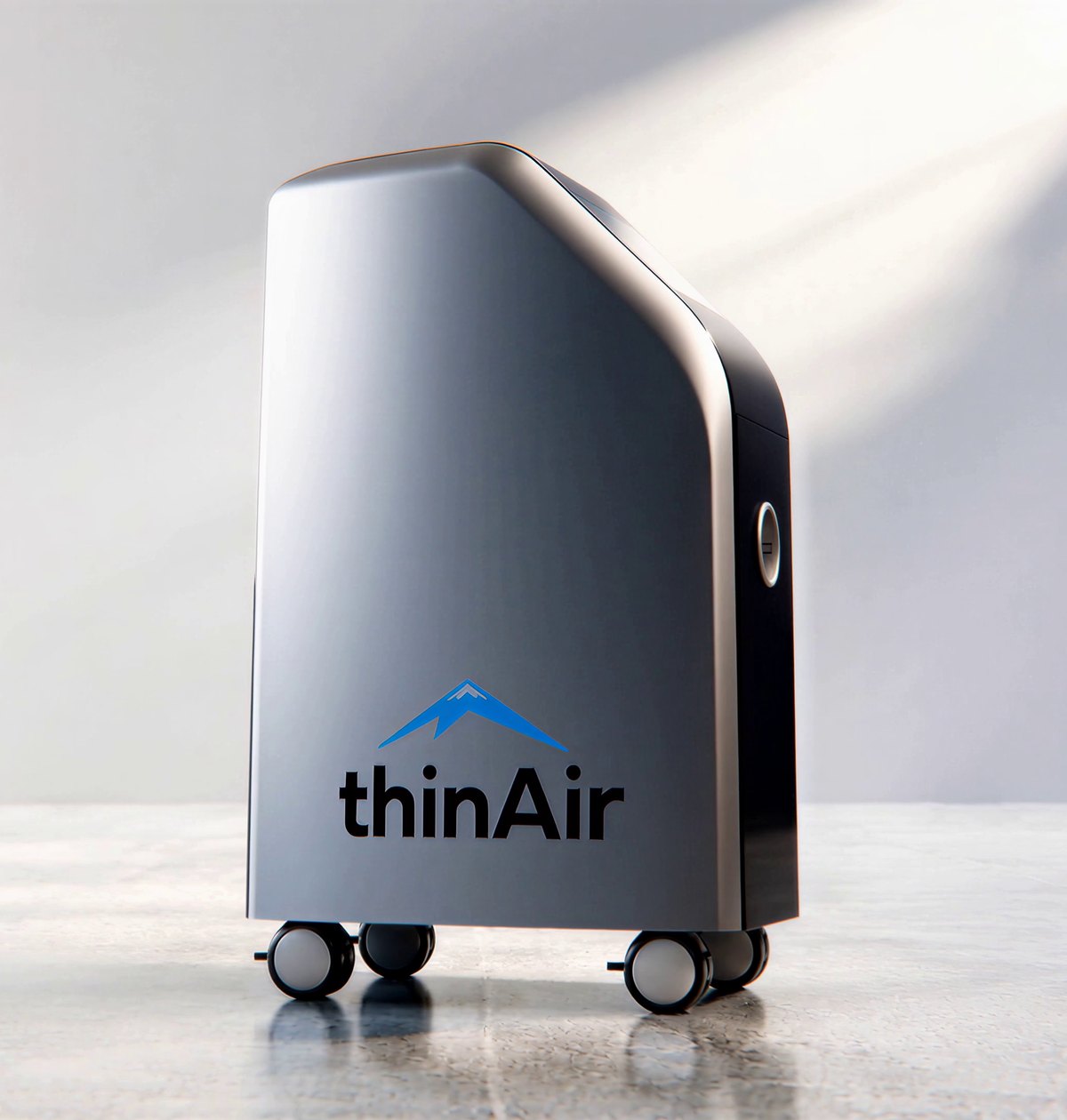
Independent study reveals 87% positive improvement in cognitive function. In a world where mental clarity, emotional resilience, and decision-making ability increasingly define personal and professional success, new independent findings suggest that thinAir Adaptive Oxygen Therapy may offer a measurable performance advantage.
87% of participants recorded an overall positive increase in cognitive functioning.
Measurable improvements across core performance areas
A cognitive performance study conducted independently by C3PR has revealed that 87% of participants recorded an overall positive increase in cognitive functioning following a structured 15-session thinAir Adaptive Oxygen Therapy programme.
The findings point toward something far more significant than temporary stimulation or perceived wellbeing. They suggest measurable physiological changes linked to oxygen optimisation, neurological efficiency, and cognitive performance.
Participants demonstrated meaningful improvements across several key cognitive and emotional domains associated with high performance, resilience, and quality of life, including:
The consistency of improvement across these areas suggests that thinAir's Adaptive Oxygen Therapy may support broader neurological and executive functioning rather than isolated short-term effects.
According to the study findings, the outcomes observed may reflect improvements in:
Oxygen plays a critical role in cellular energy production and brain function. thinAir's Adaptive Oxygen Therapy is designed to optimise how the body senses, adapts to, and utilises oxygen, supporting performance at a physiological level.
The results indicate that thinAir may help individuals not only recover better, but think more clearly, stay calmer under pressure, and perform more effectively in demanding environments.
One of the most compelling aspects of the study was the sustained nature of the improvements observed. Participants did not simply experience temporary peaks in performance. The findings indicated ongoing gains in clarity, resilience, composure, and overall life performance over time.
In high-pressure environments where focus, emotional control, and rapid decision-making are critical, these attributes can become a measurable advantage.
The independent C3PR findings provide early evidence that thinAir Adaptive Oxygen Therapy may deliver meaningful improvements in cognitive and emotional performance through measurable biological mechanisms.
As interest grows globally in longevity, brain health, and human performance optimisation, thinAir positions itself at the intersection of neuroscience, oxygen science, and preventative wellbeing.
When performance matters, measurable advantage matters. thinAir delivers both.
Average results from independent participants, measured before and after a thinAir programme.
CRP is a marker of inflammation. A 51% average reduction indicates a significant decrease in systemic inflammation.
ESR reflects inflammation in the body. A 41% average reduction shows improved inflammatory status.
Haemoglobin improved, supporting better oxygen transport and reduced fatigue.
Haematocrit improved, indicating better red blood cell health and circulation.
Average results from independent participants, measured before and after thinAir exposure.
| Marker | What it measures | Average before | Average after | Average change | Participants improved |
|---|---|---|---|---|---|
| CRP | A marker of inflammation | 0.87 mg/L | 0.43 mg/L | −51% | 80% |
| ESR | A marker of inflammation | 13.40 mm/hr | 7.87 mm/hr | −41% | 90% |
| HBG | Haemoglobin: oxygen-carrying capacity | 13.42 g/dL | 13.84 g/dL | +3% | 50% |
| HCT | Haematocrit: proportion of red blood cells | 42.42% | 44.20% | +4% | 80% |
Increase in nitric oxide production
Reduction in blood pressure
Improvement in cognitive score
Dr Aziz on the blood results, and a two-part walkthrough of the NPD study.
Results from thinAir's client survey will appear here.
Book a consultation or find your nearest thinAir location.
We use essential cookies to run this site. With your permission we'd also measure how the site is used and which adverts bring people here, and let client videos and location maps load from Vimeo, YouTube and Google Maps. Cookie policy