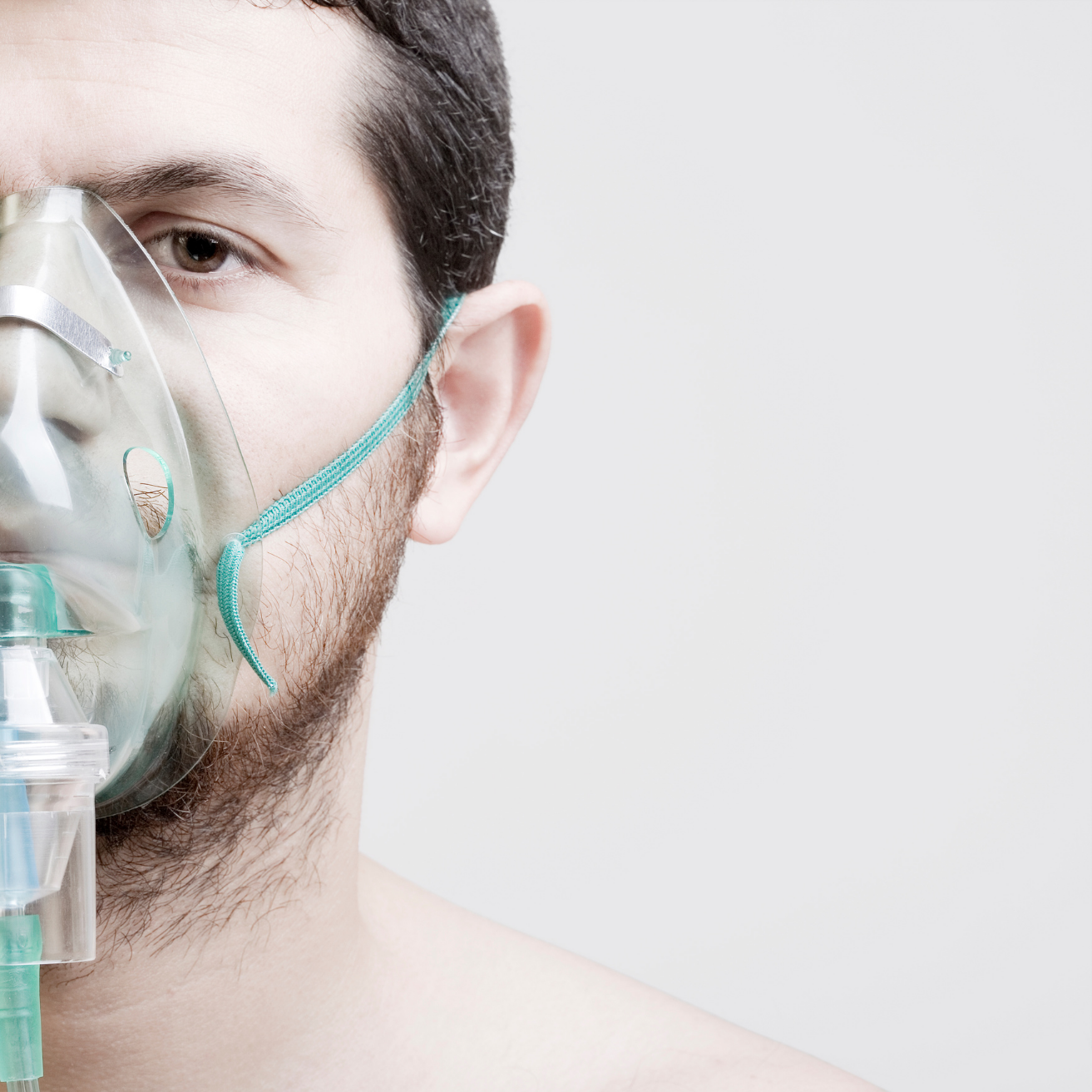
Why Oxygen Is the Missing Piece in Modern Recovery

Oxygen plays a critical role in how the body repairs, recovers, and performs, yet it’s often overlooked. This article explores why adaptive oxygen therapy supports recovery at a cellular level and how it fits into modern wellbeing.
Recovery Starts at a Cellular Level
When the body is under stress — from training, illness, injury, or daily life — cells demand more oxygen. Without adequate oxygen delivery, recovery slows, inflammation increases, and fatigue lingers longer than it should.
Why More Oxygen Isn’t Just “More Air”
Breathing harder doesn’t always mean your cells receive more usable oxygen. ThinAir works by adapting oxygen delivery in a controlled way, helping the body improve efficiency rather than overload.
Supporting the Body’s Natural Processes
Oxygen is essential for energy production, tissue repair, and circulation. By improving oxygen availability, the body is better equipped to do what it already knows how to do — recover, rebalance, and regenerate.

.webp)
.webp)
Consistency Over Intensity
The most effective results come from regular, personalised sessions rather than pushing the body too hard. Adaptive oxygen supports sustainable improvement, not quick fixes.
Who This Matters For
From athletes and busy professionals to those managing fatigue or recovery challenges, oxygen optimisation benefits anyone looking to feel clearer, stronger, and more resilient.
A Smarter Way to Recover
ThinAir isn’t about forcing change — it’s about supporting the body’s natural rhythm with the right tools, at the right time.
Some bonus content
Hey there! Just sharing some thoughts, fun insights, and cool stories from my photography adventures. Come check out my creative process and what I've been working on lately!